

blog
Why Fitness Gloves Still Matter in Modern Training
May 15, 2026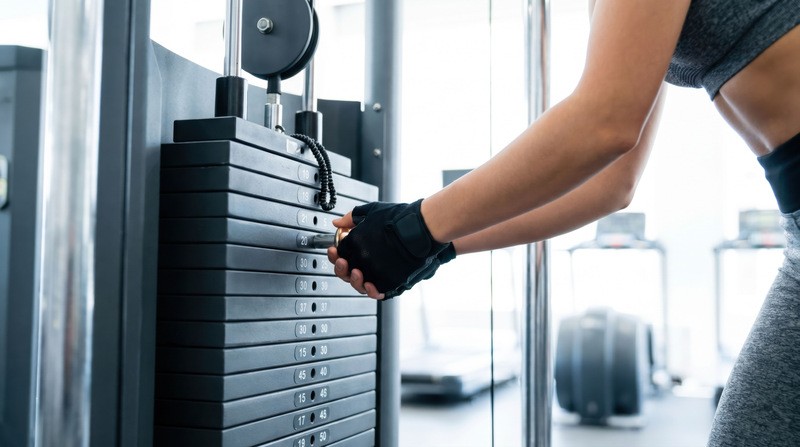
Walk into any gym today and you’ll notice something interesting — some lifters swear by fitness gloves, while others refuse to wear them at all. The debate has been going on for years.
But the truth is simple: fitness gloves are tools. And like any training tool, they can either improve your workout experience or become unnecessary depending on how you train.
For beginners, casual gym users, home gym owners, and even experienced lifters, the right pair of fitness gloves can make training more comfortable, cleaner, and more controlled.
What Are Fitness Gloves Designed For?
Fitness gloves are mainly designed to improve grip, hand comfort, palm protection, wrist support, and training confidence.
During workouts, your hands constantly deal with friction from barbells, dumbbells, cable attachments, pull-up bars, and machine handles. Over time, this creates pressure points, blisters, and calluses.
Good fitness gloves create a protective barrier while still allowing natural movement and grip control.
The Main Benefits of Fitness Gloves
Better Grip During Sweaty Workouts
One of the biggest reasons people use gym gloves is grip stability.
Sweaty hands can cause slipping during presses, poor dumbbell control, reduced pulling strength, and less confidence during heavy sets.
Modern workout gloves often include silicone grip patterns, textured palms, anti-slip materials, and ventilated fabrics.
This becomes especially useful during high-rep training, circuit workouts, functional training, summer workouts, and garage gym training without air conditioning.
Protection Against Calluses and Skin Tears
Heavy lifting creates friction.
Exercises like deadlifts, pull-ups, rows, farmer carries, and lat pulldowns can quickly damage the skin on your palms.
Some athletes embrace calluses as “earned.” However, torn skin can interrupt training and become painful during daily activities.
Fitness gloves help reduce blisters, skin irritation, bar friction, and hand fatigue.
For many home gym users and general fitness enthusiasts, that extra comfort simply makes workouts more enjoyable.
Additional Wrist Stability
Many lifting gloves now include integrated wrist wraps.
These provide additional support during bench press, shoulder press, dumbbell press, push workouts, and Smith machine exercises.
While gloves are not a replacement for proper wrist strengthening or professional lifting wraps, they can help beginners maintain better wrist positioning.
This is especially helpful for users recovering from mild discomfort or those training with higher volume.
Improved Hygiene in Public Gyms
Gym equipment is touched by hundreds of people every week.
Even with regular cleaning, handles and bars can collect sweat, oils, chalk residue, and bacteria.
Fitness gloves create a personal barrier between your skin and shared equipment.
This became significantly more important after the pandemic, when many gym users became more conscious about hygiene.
Are Fitness Gloves Bad for Grip Strength?
This is one of the most common myths.
The reality is more balanced.
Poorly designed thick gloves can slightly reduce direct tactile feedback from the bar. However, quality modern gloves are much thinner and more ergonomic than older bulky designs.
For most recreational lifters, gloves do not meaningfully reduce grip development.
That said, competitive powerlifters often train without gloves, Olympic lifters typically prefer direct bar contact, and advanced grip athletes usually avoid gloves entirely.
But for general fitness, bodybuilding, home gym training, and machine-based workouts, gloves are completely reasonable.
Different Types of Fitness Gloves
Full-Finger Gloves
Best for functional training, outdoor workouts, cycling/gym crossover use, and cold environments.
Advantages include maximum coverage, better protection, and more warmth.
Half-Finger Gym Gloves
The most popular option.
Best for weightlifting, strength training, cable exercises, and general gym use.
Advantages include better hand ventilation, natural finger movement, and strong grip feel.
Gloves With Wrist Wraps
Best for heavy pressing movements, beginners lifting heavier weights, and users wanting extra stability.
Advantages include a combined support system, more secure wrist alignment, and better confidence under load.
What To Look For When Buying Fitness Gloves
| Feature | Why It Matters |
|---|---|
| Grip Material | Prevents slipping |
| Breathability | Reduces sweat buildup |
| Wrist Support | Improves stability |
| Padding | Protects pressure points |
| Flexibility | Maintains natural hand movement |
| Durability | Prevents tearing over time |
| Easy Removal Tabs | Makes gloves easier to remove after workouts |
Common Mistakes When Choosing Gym Gloves
Buying Gloves That Are Too Thick
Excessive padding reduces bar feel and hand control.
Modern gloves should feel flexible, lightweight, and ergonomic.
Choosing the Wrong Size
Loose gloves create friction and bunching.
Tight gloves restrict circulation and movement.
A proper glove should fit snug, secure, and comfortable without pressure.
Ignoring Ventilation
Cheap gloves often trap heat and sweat.
Look for mesh backing, breathable fabric, and moisture-wicking materials, especially if you train intensely or for longer sessions.
Who Benefits Most From Fitness Gloves?
Fitness gloves are especially useful for beginners, home gym users, bodybuilding-style training, high-volume workouts, older adults, users with sensitive skin, people returning after injury, and functional fitness training.
They are less essential for competitive powerlifting, Olympic lifting, and grip sport athletes.
Gloves vs Lifting Straps: What’s the Difference?
Fitness Gloves
Primarily improve comfort, grip, and skin protection.
Lifting Straps
Primarily assist pulling strength, heavy deadlifts, and grip fatigue management.
Straps wrap around the bar to help you hold heavier weight.
Gloves simply improve your interaction with the equipment.
Some advanced lifters use both together.
Final Thoughts
Fitness gloves are not magic.
They won’t suddenly make someone stronger or transform poor lifting technique.
But they can improve workout comfort, grip confidence, hand protection, and training consistency.
And consistency matters more than almost anything in fitness.
The best gym setup is the one that keeps you training regularly, safely, and comfortably over the long term.
For many people, a quality pair of fitness gloves becomes one of those small upgrades that quietly improves every workout.