

blog
Teens and Fitness: Building Healthy Habits for a Stronger Future
July 15, 2026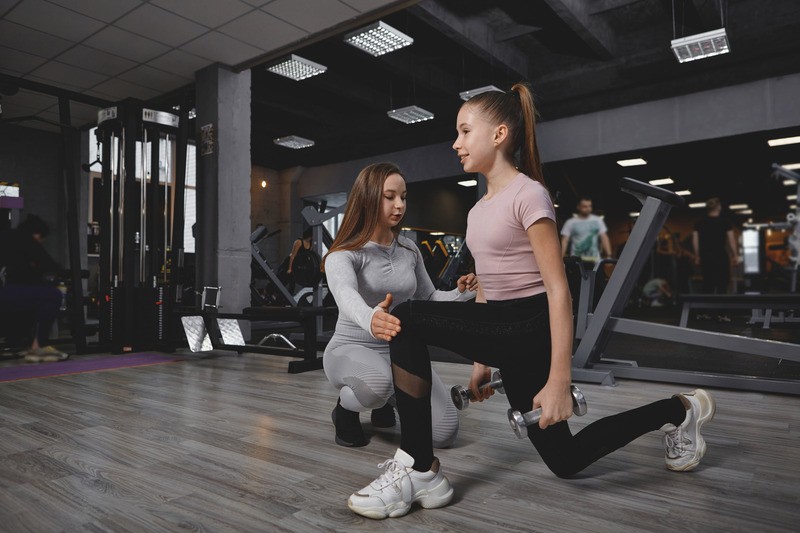
The teenage years are a time of tremendous growth and change. Between school, homework, social media, gaming, and busy schedules, staying physically active can easily fall to the bottom of the priority list.
Yet these are also some of the most important years for developing healthy habits that can last a lifetime.
Fitness for teenagers does not have to mean intense workouts, competitive sports, or trying to achieve a certain body type. The goal should be simple: move regularly, build strength safely, gain confidence, and learn to enjoy being active.
Why Is Fitness Important for Teenagers?
Regular physical activity can support many aspects of a teenager's development. Exercise helps improve cardiovascular fitness, muscular strength, coordination, mobility, and overall physical health.
It can also give teenagers something increasingly valuable in a screen-focused world: an opportunity to move, challenge themselves, develop discipline, and see measurable progress.
For some teens, that might mean joining a sports team. For others, it could be cycling, swimming, running, dancing, martial arts, or working out at home.
There is no single "best" form of exercise for every teenager. The best activity is usually one they enjoy enough to continue doing consistently.
How Much Exercise Do Teens Need?
Canadian physical activity guidelines recommend that children and youth between the ages of 5 and 17 accumulate at least 60 minutes of moderate-to-vigorous physical activity every day.
Their weekly activity should also include vigorous exercise and activities that strengthen muscles and bones at least three days per week.
That does not mean teenagers need to spend an hour in the gym every day. Physical activity can come from many different sources throughout the day, including:
- Walking or cycling
- Playing sports
- Running
- Swimming
- Hiking
- Bodyweight exercises
- Resistance training
- Active games and recreational activities
The key is creating a lifestyle where movement becomes a normal part of the day rather than something that feels like a punishment or obligation.
Can Teenagers Strength Train?
One of the most common questions parents have is whether strength training is appropriate for teenagers.
When resistance training is properly designed, age-appropriate, and performed with good technique and appropriate supervision, it can be a valuable part of a young person's overall fitness routine.
The emphasis, however, should be very different from the "lift as heavy as possible" mentality sometimes seen on social media.
Teenagers who are new to strength training should focus first on learning movement patterns and proper exercise technique.
Exercises can begin with bodyweight movements such as:
- Squats
- Lunges
- Push-ups
- Assisted pull-ups
- Planks
- Step-ups
As technique and confidence improve, resistance bands, dumbbells, cable machines, and other strength equipment can gradually be introduced.
The amount of resistance should always allow the exercise to be performed with controlled movement and proper form.
Technique Comes Before Weight
For teenagers learning to train, the number on the weight stack or barbell should never be the main goal.
Good technique builds the foundation for long-term progress.
Before increasing resistance, a young person should be able to perform an exercise through an appropriate range of motion while maintaining control and proper positioning.
This approach can help teenagers develop better movement habits while reducing unnecessary injury risk.
Parents should also discourage teens from comparing their strength to friends or fitness influencers online. Everyone develops at a different pace, especially during adolescence.
Progress is personal.
A Simple Beginner Workout for Teens
A beginner strength workout does not need to be complicated. Two or three full-body training sessions per week can introduce teenagers to basic resistance exercises while allowing plenty of time for other activities.
Warm-Up – 5 to 10 Minutes
Start with light movement such as walking, cycling, or dynamic mobility exercises.
Bodyweight Squats – 2 to 3 Sets
Focus on controlled movement and comfortable depth.
Push-Ups or Incline Push-Ups – 2 to 3 Sets
Choose a variation that allows proper technique.
Cable Row or Resistance Band Row – 2 to 3 Sets
Keep the movement controlled and focus on posture.
Reverse Lunges – 2 Sets Per Side
Start with bodyweight before adding resistance.
Lat Pulldown or Assisted Pull-Up – 2 to 3 Sets
Use manageable resistance and avoid swinging.
Plank – 2 to 3 Sets
Focus on maintaining a stable position rather than holding for as long as possible.
Finish with a few minutes of easy movement and stretching if desired.
The exact workout should be adapted to the teenager's age, experience, physical development, and individual needs. Younger or inexperienced teens should have guidance from a qualified adult or fitness professional when learning new exercises.
Creating a Teen-Friendly Home Gym
For families with teenagers, a home gym can make regular exercise much easier.
Instead of relying on transportation to a gym or working around facility schedules, teenagers can exercise at home when it fits into their day. It can also give parents more opportunity to supervise younger or inexperienced teens.
A teen-friendly home gym does not need dozens of machines.
A versatile setup might include:
- An adjustable bench
- Light dumbbells
- Resistance bands
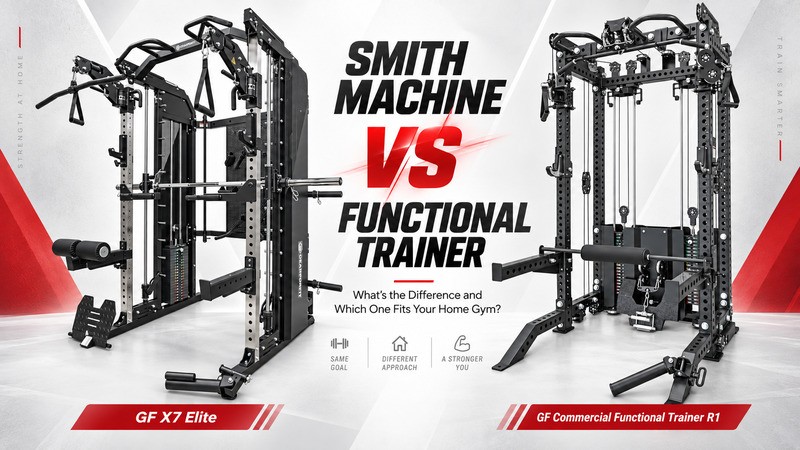
- A functional trainer or cable machine
- A power rack or Smith machine for more experienced users
- A cardio machine
- Appropriate gym flooring
Adjustability is especially important in a shared family gym because equipment may be used by people with very different heights, strength levels, and experience.
Safety features should also be a priority. Equipment should be stable, correctly assembled, and used according to the manufacturer's instructions.
Fitness Should Not Be About Appearance
Teenagers are exposed to an enormous amount of fitness content online. Unfortunately, much of it promotes unrealistic expectations about body shape, weight, and how quickly results should happen.
Parents can help shift the focus toward what exercise allows the body to do rather than simply how the body looks.
Fitness goals might include:
- Getting stronger
- Learning a new exercise
- Improving endurance
- Becoming better at a sport
- Doing a first pull-up
- Developing better coordination
- Being more consistent
- Having more energy
These goals create a healthier relationship with exercise and encourage teenagers to appreciate progress that goes far beyond appearance.
Make Fitness a Family Habit
One of the best ways to encourage teenagers to be active is to make movement part of normal family life.
Go for walks together. Take a bike ride. Play a sport. Train together in your home gym.
Parents do not need to pressure teenagers into loving the same activities they enjoy. Instead, give them opportunities to experiment until they discover something that genuinely interests them.
A teenager who dislikes running might love strength training. Someone who has no interest in organized sports might enjoy cycling or working out at home.
The goal is not to create a professional athlete.
The goal is to help create an active adult.
Building Strength for Life
Teen fitness is about much more than today's workout.
The habits teenagers develop now can influence how they approach physical activity for years to come. Learning how to move correctly, train responsibly, stay consistent, and enjoy exercise creates a foundation they can carry into adulthood.
Whether a teenager prefers sports, cardio, strength training, or simply staying active with friends and family, the most important thing is to keep moving.
At GearForFit, we believe fitness should be accessible to the entire family. A thoughtfully designed home gym can create a convenient space where parents and teenagers can exercise, learn, and build healthier habits together.
Start with good habits. Focus on proper technique. Make fitness enjoyable. Strength will follow.